China has seen accelerated energy transition in recent years. Ruan Qiantu, a consultant at State Grid Shanghai Municipal Electric Power Company, said that the 15th Five-Year Plan (2026-30) period is key to China’s energy reform and new power system development. As megacities are crucial in social and economic development, he proposed building new power systems in these cities to facilitate the development of a new energy mix. Ruan is also a member of the National Committee of the Chinese People’s Political Consultative Conference.
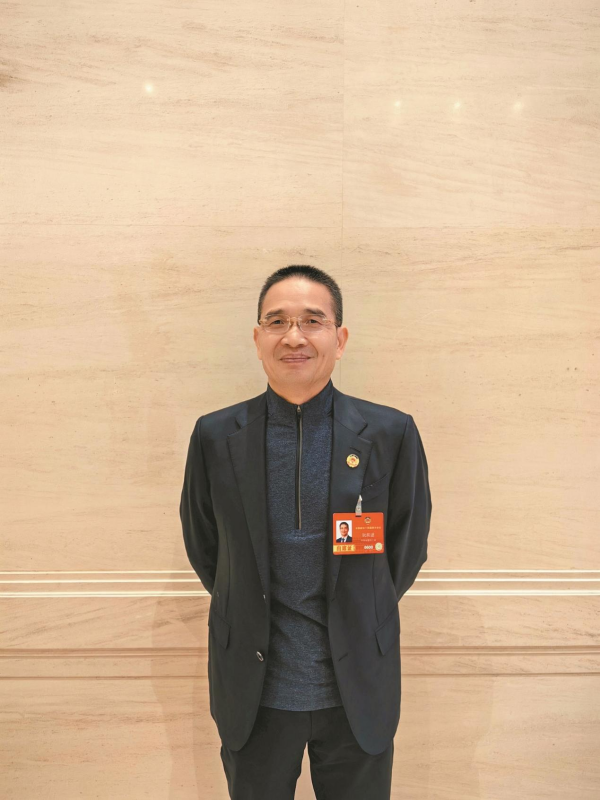
Ruan Qiantu, a consultant at State Grid Shanghai Municipal Electric Power Company, is a member of the National Committee of the Chinese People’s Political Consultative Conference. [Photo/sasac.gov.cn]
Ruan suggested building a diversified green energy supply system in megacities. He called for upgrading the new generation of coal-fired power units to ensure conventional power sources can provide a secure baseline supply and emergency backup. He proposed building cross-provincial and cross-regional electricity transmission channels to serve major projects, such as the large wind and solar power bases in deserts and the Gobi areas and the hydropower project in the lower reaches of the Yarlung Zangbo River. He proposed advancing the green energy transition and promoting the development of offshore wind power in deep and distant waters. He also suggested encouraging diversified development of distributed renewable energy and supporting the large-scale application of grid-forming energy storage systems.
Ruan stressed the importance of building a new power system in megacities. He said the government needs to launch incentive measures to encourage market players to adopt new technologies and participate more actively. He emphasized the coordinated development of main grids, distribution networks and micro grids to ensure the resilience and security of the power system. Ruan called for building smart and adaptable distribution networks and establishing smart micro grids to optimize the allocation of diverse resources. He noted that megacities should focus on coordinated development of power generation, grid, load and storage in building a new power system, make technological breakthroughs and improve policies and mechanisms in light of local resources, so as to launch a number of demonstration projects suitable for themselves.
Ruan called for intensive efforts to make technological breakthroughs and launch innovation demonstration projects. Regarding the R&D and application of advanced technologies, he emphasized that great progress should be made in developing technologies including grid-forming support and coordinated control of generation, grid, load and storage, in order to form a balanced and coordinated industrial ecosystem and meet megacities’ diverse needs, such as high load density, highly reliable power supply and strong supply-demand interaction. He called for the application of artificial intelligence and digital technology to power system planning, operation and dispatch.
In building a standard system for the new power system, Ruan emphasized designing forward-looking technology standards, which should incorporate the facets of long-duration power storage, power demand response and the coordinated management of electricity and carbon markets.
In terms of improving the market-oriented operational models, Ruan emphasized establishing clearer pathways for emerging market entities, as well as pricing and benefit-sharing strategies. Mechanisms such as auxiliary services and capacity leasing trading should also be refined, he said, while calling for promoting the development of new business models and emerging formats in the power sector to fully unleash market investment vitality.
(Executive editor: Yuan Ting)