On November 20, the revitalization project for the Tanzania-Zambia Railway, constructed by China Railway Construction Corporation Limited (CRCC), officially commenced. The project marks a new journey for this railway of friendship built over half a century ago in the 1970s.
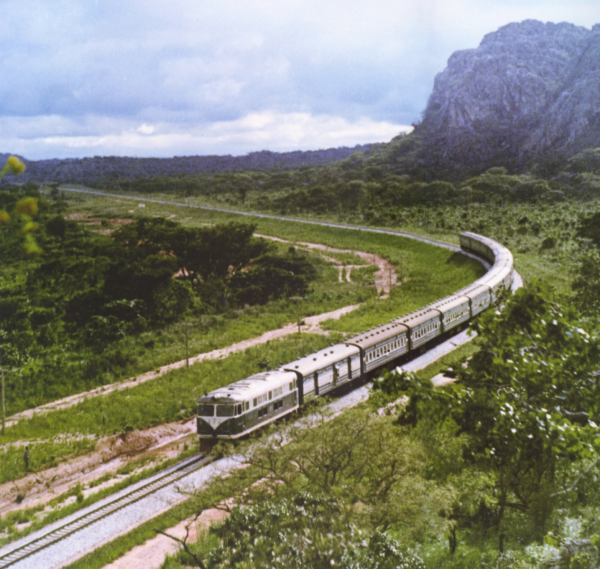
On November 20, the revitalization project for the Tanzania-Zambia Railway, constructed by China Railway Construction Corporation Limited, officially commenced. [Photo/sasac.gov.cn]
Spanning 1,860.5 kilometers, the Tanzania-Zambia Railway stands as China’s most representative whole-set foreign aid project. The Chinese government dispatched over 50,000 engineering and technical personnel over five years and eight months to jointly build this “steel road” with Tanzanian and Zambian engineers. The railway stands as an enduring monument to China-Africa friendship.
In recent years, the Tanzania-Zambia Railway line has been in need of major reconstruction to meet the region's pressing development needs and become a more stable, economical, and reliable logistics artery.
Upon revitalization, its annual freight capacity is projected to surge from approximately 200,000 tons to 2.4 million tons, while cutting the transit time by two-thirds. It will smooth the passage of local specialties to cities and international markets, allowing development benefits to reach millions of local households and injecting robust vitality into the China-Africa cooperation.
In the future, CRCC will take the revitalization project as a key opportunity and dedicate full efforts to delivering high-quality railway construction and operation services. The company will promote the coordinated development of industries along the route, such as mining, modern logistics, and agricultural processing. CRCC will explore further cooperation with the two African countries in other areas including new energy, water resources development, and green, low-carbon initiatives, to further translate the comprehensive benefits of the revitalized railway into development dividends and improved well-being for the people.
(Executive editor: Yuan Ting)